Is Coach a luxury brand? This is one of the most common questions among handbag shoppers and fashion buyers. Coach is widely recognized as an accessible luxury brand, offering designer appeal, leather craftsmanship, and strong brand recognition at a more attainable price than ultra-high-end labels. At the same time, many consumers still ask why Coach is so popular and whether Coach should also be considered a designer brand.
If you are a fashion shopper, Coach may appeal to you because it offers a strong balance between style, practicality, and price. If you are building your own handbag label, studying successful brands like Coach can also help you understand how product positioning, leather quality, and pricing strategy work together in the global bag market. Working with a reliable custom leather bag manufacturer can make that process much easier.
This post explores Coach’s history, pricing, manufacturing background, market position, and the key reasons why it remains one of the most visible names in the accessible luxury segment.
Is Coach a luxury brand?
Yes, Coach is generally considered an accessible luxury brand. It is positioned above mass-market handbag brands but below top-tier ultra-luxury fashion houses such as Hermès, Chanel, or Dior.
Coach offers many of the qualities consumers associate with luxury, including strong brand recognition, leather craftsmanship, polished design, and a long fashion heritage. However, its prices are more attainable than those of elite European luxury labels. For this reason, Coach is often described as a bridge between premium fashion and high-end luxury.
So, if the question is is Coach a luxury brand, the most accurate answer is yes—but more specifically, it is an affordable luxury or accessible luxury brand rather than an ultra-luxury house.
What kind of brand is Coach?
Coach is best described as an American accessible luxury brand with a strong reputation in handbags, leather goods, and accessories. It combines designer-style image, practical product design, and a more approachable price point than top luxury brands.
This positioning is one reason why consumers often ask related questions such as is Coach a designer brand, is Coach affordable luxury, and why is Coach so popular. All of these questions point to the same market reality: Coach occupies a premium segment that feels aspirational, but still reachable for a much wider audience.
For brands that want to build products with similar appeal, browsing current women’s leather bags can help clarify what silhouettes, structures, and materials continue to perform well in the premium everyday category.
Coach vs. Other Luxury Brands
| Feature | Coach (Accessible Luxury) | Chanel / Hermès (High-End Luxury) |
|---|---|---|
| Price Point | More accessible, often under or around $1,000 for many core styles | Very high, often several thousand dollars and above |
| Brand Perception | Premium, fashionable, practical | Exclusive, status-driven, heritage-focused |
| Availability | Widely available online and in stores | More selective, often harder to buy |
| Consumer Appeal | Broad audience, including first-time designer buyers | High-spending luxury consumers |
Coach’s biggest advantage is that it sits between the mass market and top luxury. That middle position gives it much broader market appeal.
When was Coach founded?
Coach was founded in 1941 in New York. It began as a small workshop run by leather artisans who produced handmade leather goods. You can learn more from Coach official history.
In its early development, Coach built its reputation around durability, softness, and leather craftsmanship. This gave the brand a practical identity that still matters today.
Key Developments in Coach’s History
| Year | Milestone | Significance |
|---|---|---|
| 1941 | Founded in New York City | Began as a small leather goods workshop |
| 1960s | Expanded design identity | Helped define Coach’s early style direction |
| 2000s | Signature branding became mainstream | Increased mass visibility |
| 2010s | Brand image refreshed | Reconnected with younger consumers |
| Later years | Broadened lifestyle positioning | Expanded beyond handbags and accessories |
Coach’s growth did not happen because of one single bestseller. It happened because the brand kept evolving while still keeping its leather heritage.
Is Coach bag expensive?
Whether a Coach bag is expensive depends on your point of comparison.
Compared with fast-fashion handbags or general department-store brands, Coach is clearly more expensive. But compared with brands such as Chanel, Louis Vuitton, or Hermès, Coach is much more affordable.
That is why Coach is often described as an approachable or attainable luxury brand. It gives buyers a designer feeling without requiring the same budget as top-tier luxury labels.
What factors affect the price of Coach bags?
Material
Leather bags are usually more expensive than coated canvas or mixed-material styles. Material quality is one of the main reasons why some Coach bags are priced higher than others.
Design and Series
New collections, limited editions, collaborations, and iconic lines often cost more than basic or long-running styles.
Size and Construction
Larger bags or bags with more complex construction usually require more materials and more detailed manufacturing, which can increase the price.
Sales Channel
The same brand can have a big price difference depending on whether the product is sold through a boutique, outlet, department store, or resale platform.
Market Demand
Popular styles tend to keep stronger prices because consumers are more willing to pay for bags that feel trendy or iconic.
If you want to compare materials in your own product development, this guide on genuine leather vs microfiber for handbags can help you evaluate cost, performance, and market positioning more clearly.
The difference between Coach retail and outlet
Many people notice that Coach prices vary a lot depending on where they shop. This is largely because retail and outlet channels serve different purposes.
Coach retail stores
These are full-price boutiques where consumers can find the latest collections, more premium product direction, and the brand’s current seasonal image. Prices are usually higher in retail stores.
Coach outlet
Coach outlet stores offer lower-priced products and discounted merchandise. Some products may be older-season goods, while others may be made specifically for outlet channels. This is why outlet bags are often much cheaper.
For the brand, this two-channel system expands market reach. For the consumer, it creates multiple entry points into the brand.
The price range of Coach bag
| Channel / Bag Type | Price Range (Approx.) | Typical Positioning |
|---|---|---|
| Official Boutique / New Arrivals | Mid to upper hundreds of dollars | Current collections and more premium direction |
| Outlet / Department Store Sale | Lower to mid hundreds of dollars | Value-focused and more accessible |
| Second-hand / Resale Market | Lower, depending on condition | Pre-owned and budget-conscious shopping |
In the world of luxury goods, Coach is usually not considered extremely expensive. But in the context of ordinary everyday brands, it is still a premium purchase.
Where are Coach bags made?
Coach is an American brand, but its bags are not made only in the United States. Like many global fashion brands, Coach uses international manufacturing to balance scale, cost, and production efficiency.
Its products are commonly associated with manufacturing in several Asian countries. This kind of global production setup is standard in the handbag industry and does not automatically reduce brand value.
For buyers, the most important issue is not only where the bag is made, but how the brand controls materials, workmanship, and consistency across factories.
Countries Where Coach Bags Are Commonly Made
| Country | Details |
|---|---|
| China | One of the most important production bases for leather goods and handbags |
| Vietnam | A major manufacturing location with strong growth in bag production |
| Philippines | Sometimes used for smaller leather goods and accessories |
| Thailand | Used for selected product categories |
| India | Known for leather-related production in some segments |
| USA | Less common for mainstream production, more limited in significance |
Why is Coach so popular?
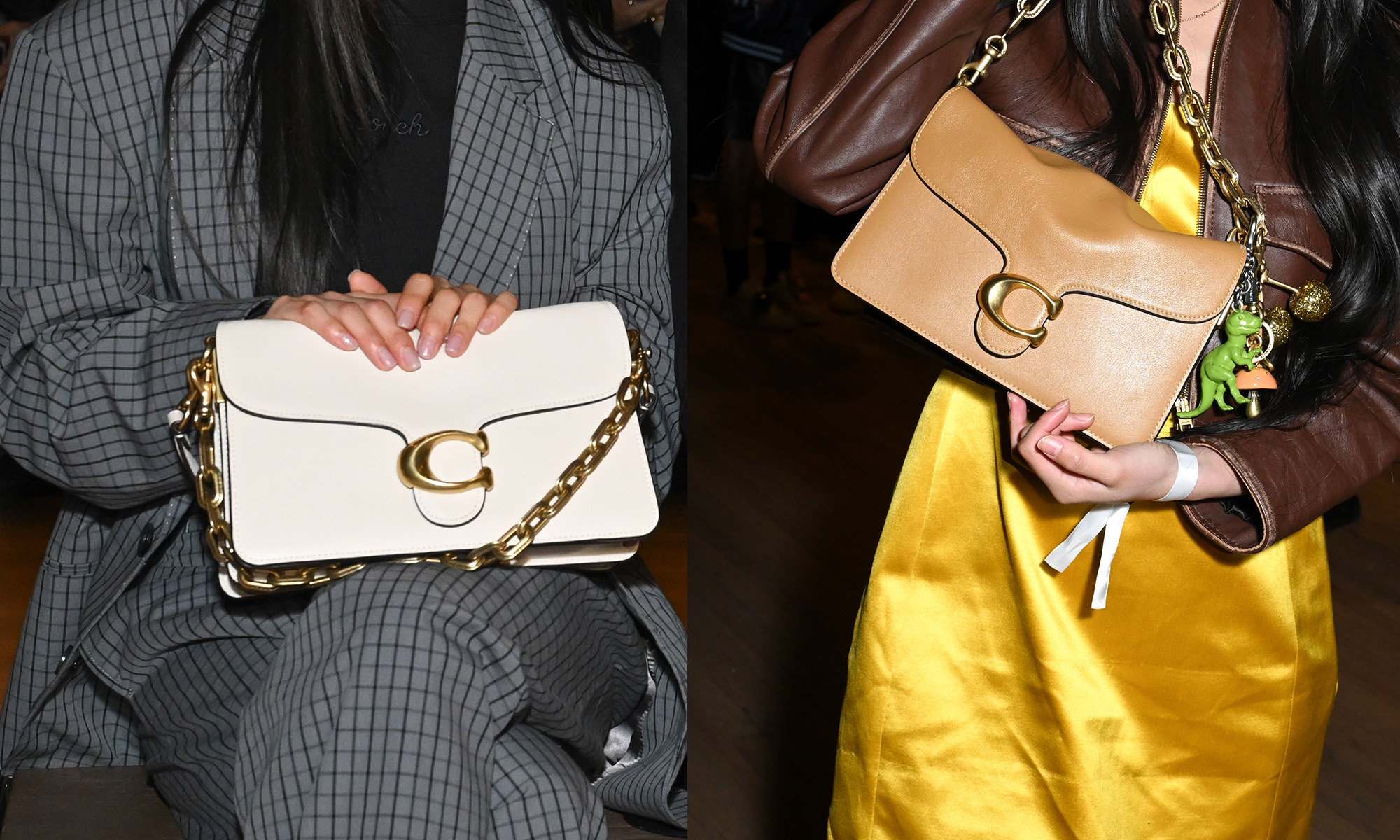
The question why is Coach so popular does not have only one answer. Coach remains popular because it combines several strengths at the same time: heritage, accessible pricing, practical design, brand recognition, and strong visibility in the market.
Instead of competing only on exclusivity, Coach competes on the idea of designer value that feels achievable. This is especially attractive to younger shoppers, first-time luxury buyers, and customers who want a recognizable brand without spending at the highest luxury level.
For growing brands, another practical question is whether to source through traders or buy factory custom leather bag direct for better control over quality, lead time, and margins.
Inheritance and brand stories
Coach has a long history that started in New York in 1941. For many consumers, that history adds authenticity. People tend to trust brands with a real background in leather goods and craftsmanship.
Brand stories are powerful because they make products feel more meaningful. A bag is not only a product; it also becomes part of a brand narrative. Coach benefits from this because it can connect itself to New York heritage, leather craftsmanship, and a long-standing market presence.
Design reinvention and trend alignment
One major reason for Coach’s continued success is that it has updated its image over time. It did not stay frozen in one old-fashioned design language.
Coach has managed to refresh product lines, adapt to trend shifts, and create styles that feel more relevant to younger consumers. At the same time, it still keeps enough of its original identity to avoid looking like a completely different brand.
Pricing strategy: Affordable luxury goods
Coach’s pricing strategy is one of the clearest reasons for its popularity.
The brand sits between premium mass market and top luxury. That means consumers can buy a bag with designer image and visible branding without paying the much higher prices charged by elite European houses.
This positioning attracts first-time designer bag buyers, middle-income consumers, younger professionals, and customers who want visible value.
Social media marketing
Coach has also benefited from strong visibility on social media. Fashion content today spreads through influencers, celebrity usage, styling videos, and user-generated content.
A brand like Coach is well-suited to this environment because it is recognizable, aspirational, and still reachable for many people. That combination makes it ideal for online conversations.
Sustainability-driven innovation
Modern consumers increasingly care about sustainability, and brands need to respond to that shift. For sustainability-related messaging, Coachtopia is Coach’s official circular-craft initiative focused on repurposed and recycled materials.
For younger consumers in particular, sustainability can increase emotional connection to a brand. It also makes the brand story feel more current.
Global expansion and localization strategy
Coach is not only popular in one country. It has a broad international presence, and that global visibility increases brand power.
The brand has been especially visible in markets where consumers want premium labels but still remain price-conscious. In those markets, Coach’s accessible luxury positioning works very well.
High quality and exquisite craftsmanship
Coach’s reputation is also linked to perceived quality. Many buyers believe they are getting solid value in leather feel, finishing, and practicality.
Even consumers who do not place Coach in the very top luxury tier often still see it as a brand with dependable product quality. That reputation helps support repeat purchases and stronger word-of-mouth.
If you are planning your own collection, reviewing the OEM & wholesale FAQ can help you understand sample lead times, MOQ ranges, and common production questions before you move into development.
What can you learn from Coach’s strategy?
Whether you are a consumer or a business owner, Coach offers several useful lessons.
For consumers
Coach shows that good design and strong brand image do not always have to come with the highest price in the market. A product can still feel stylish and premium while remaining more attainable.
For business decision-makers
Coach is a useful case in brand positioning and reinvention. It shows the value of clear pricing strategy, strong brand story, product-market fit, image refresh over time, and broad but controlled distribution.
A clear OEM leather bag process makes it much easier to turn a brand concept into a commercially viable product line.
Is Coach a designer brand?
Yes, Coach is generally regarded as a designer brand.
However, it is more accurate to describe Coach as an accessible luxury designer brand rather than an ultra-luxury house. It has the history, recognition, fashion identity, and product focus required to be seen as a designer label, but it operates at a more approachable price point.
You can also see Coach’s broader group positioning on Tapestry’s Coach brand page.
Fashion brand hierarchy
- Haute Couture / Ultra Luxury: Chanel, Dior, Hermès
- Luxury Brands: Louis Vuitton, Gucci, Prada
- Accessible or Bridge Luxury: Coach, Tory Burch, Michael Kors
Coach generally belongs in the third group. It is not mass market, but it is also not in the highest luxury tier.
Conclusion
Coach is a well-known brand because it understands how to balance classic and modern, quality and accessibility, image and practicality. It is popular not because it is the most exclusive brand in the world, but because it delivers designer-style value in a way that many consumers can still reach.
Its success is not accidental. It comes from clear positioning, strong leather heritage, practical product design, broad visibility, and consistent brand updating.
If you want to build your own premium bag line, learn more about HongBang Leather. As a Guangzhou-based OEM/ODM leather goods manufacturer, we support brands with custom bag development, sampling, private label solutions, and bulk production.
Ready to build your own handbag collection? Contact us to discuss OEM, private label, sampling, and bulk production.
FAQ
Is Coach a luxury brand?
Yes. Coach is widely considered an accessible luxury brand. It offers designer appeal, leather craftsmanship, and strong brand recognition at a more attainable price than ultra-luxury houses.
Why is Coach so popular?
Coach is popular because it combines heritage, recognizable design, practical functionality, and more accessible pricing than top luxury brands.
Is Coach a designer brand?
Yes. Coach is generally regarded as a designer brand, especially in the accessible luxury category.
Is Coach affordable luxury?
Yes. Coach is often described as an affordable or accessible luxury brand because it offers premium image and product quality at a lower price point than brands like Chanel or Hermès.
Are Coach bags expensive?
Coach bags are more expensive than mass-market handbags, but they are usually much more affordable than top-tier luxury brands.
Where are Coach bags made?
Coach bags are manufactured in multiple countries, including China, Vietnam, Cambodia, the Philippines, India, and Thailand.