Genuine Leather vs Microfiber for Handbags is one of the most debated topics for sourcing managers, mamamakyaw, and handbag brands in 2026. As sustainability becomes a core requirement and material technology advances, choosing the right material is no longer a simple decision. From luxury positioning and durability to production efficiency and compliance, the material you choose directly affects your pricing, lead time, and market competitiveness.
At Guangzhou Hongbang Leather Products Co., Ltd., we bring over 25 years of manufacturing expertise to help you make the right sourcing decision. This guide explains the key differences between genuine leather handbags and microfiber handbags, including technical performance, cost structure, and the latest sourcing trends for custom handbag manufacturing in China.
Genuine Leather vs Microfiber for Handbags: Technical Comparison
For B2B buyers, understanding physical properties is essential. While genuine leather offers unmatched prestige and a premium feel, microfiber has evolved into a high-performance alternative for modern handbag production.
tibay
Genuine leather can last for decades with proper care, making it a preferred material for premium and luxury handbags. High-grade microfiber is highly scratch-resistant and does not peel easily, which makes it ideal for daily-use products such as mommy bags, mga tote bag, and functional lifestyle handbags.
Weight
Microfiber is up to 30% lighter than bovine leather, which gives it a clear advantage in large tote bag designs and lightweight handbag collections.
Paglaban sa Tubig
Genuine leather is naturally porous and usually requires treatment for better water resistance. Microfiber is naturally more water-resistant, which makes it suitable for buyers looking for waterproof handbag materials or easy-care product lines.
Sustainability
We offer GRS-certified recycled microfiber to meet the growing demand for sustainable handbag materials. For genuine leather, responsible sourcing should always include suppliers that comply with internationally recognized environmental standards.
Direct Comparison: Genuine Leather vs Microfiber Bag Performance
| Performance Metric | Tunay na Balat (Bovine) | High-Grade Microfiber |
|---|---|---|
| Tensile Strength | Excellent (varies by hide area) | Uniformly superior |
| Paglaban sa Tubig | Porous (requires treatment) | Naturally water-resistant |
| Breathability | Mataas (natural pores) | Katamtaman (micro-perforated) |
| Cutting Efficiency | 60%–70% (due to natural defects) | 90%–95% (consistent rolls) |
| Color Consistency | Slight variations between batches | Excellent consistency across large quantities |
This comparison is especially important for brands evaluating leather vs microfiber handbag durability, production efficiency, and material consistency for long-term orders.
Cost Comparison for Custom Handbags
When comparing genuine leather vs microfiber for handbags, the hidden costs are often as important as the material price itself. Many buyers focus only on the raw material quotation, but the true cost difference appears in production waste, labor, and shipping.
Waste Management and Cutting Efficiency
When cutting genuine leather, buyers pay for the entire hide, including unusable edges, scars, and natural defects. This reduces cutting efficiency and increases waste. With microfiber rolls, waste is minimal and predictable, often helping brands save 15%–20% in raw material cost.
Labor Costs
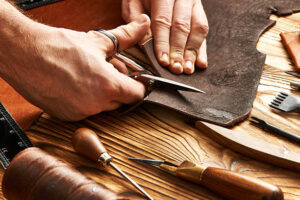
Genuine leather requires more experienced artisans to identify grain direction, avoid flawed areas, and maintain product consistency. Microfiber is easier to handle and more suitable for automated cutting processes such as laser cutting, which can reduce labor cost and improve speed.
Shipping and Logistics
Because microfiber is lighter, the freight cost per unit is generally lower. For international buyers, this can directly reduce landed cost in both sea freight and air freight shipments.
For many sourcing teams, this is where microfiber handbags become more attractive than leather in high-volume production.
Which Material Is Best for Your Business Model?
The answer to Genuine Leather vs Microfiber for Handbags depends on your customer positioning, product pricing, and brand story.
The Case for Genuine Leather Handbags
If you serve luxury boutiques or premium lifestyle brands, genuine leather often remains the preferred choice. One major reason is the natural “patina” effect, which adds character over time and strengthens the premium image of the product. Genuine leather is also a natural byproduct of the food industry and continues to be the gold standard for traditional luxury durability.
At Hongbang Leather, we support startups and developing brands with an MOQ of just 50 pieces for genuine leather products.
The Case for Microfiber Handbags
For brands focused on vegan fashion, functional utility, or modern performance, microfiber is often the better option. It is easier to clean, more consistent in production, and better suited for lightweight and water-resistant handbag designs.
Production is often faster because microfiber comes in standard rolls rather than irregular hides. This makes it a practical choice for brands that prioritize speed, scale, and stable product quality.
Sustainable Handbag Materials in 2026
In 2026, sustainability is no longer optional for handbag brands and sourcing managers. Buyers increasingly ask not only what a material looks like, but also how it is made and whether it meets global compliance standards.
Genuine Leather and LWG Standards
If you choose genuine leather, make sure your supplier works with LWG-certified tanneries or material partners. This helps ensure better control over water use, chemical management, and responsible leather processing.
Recycled Microfiber and GRS Certification
For microfiber, hanapin mo GRS-certified recycled microfiber. Many of our 2026 microfiber options are made from recycled plastic bottles, which gives brands a strong sustainability angle for vegan, eco-conscious, and younger consumer markets.
For brands building a sustainability-based marketing story, recycled microfiber handbags can be easier to communicate than conventional leather products.
Custom Handbag Manufacturing in China: MOQ, Lead Time and Compliance
As a professional handbag manufacturer in China, we prioritize both quality and compliance. Whether you are launching a new collection or expanding an existing product line, choosing the right material also affects production planning.
MOQ for Custom Handbags
- 50 mga piraso for genuine leather handbags
- 200 mga piraso for microfiber/PU handbags
This flexible MOQ structure helps brands test the market with lower risk.
Sample Development and Lead Time
We provide custom prototyping within 7–10 days. In most cases, microfiber production moves faster because the material comes in consistent rolls and is easier to cut and assemble.
Compliance Standards
We provide full compliance support with:
- REACH
- California Prop 65
For many overseas buyers, supplier compliance is just as important as style and cost, especially in regulated markets.
Internal Link Suggestion
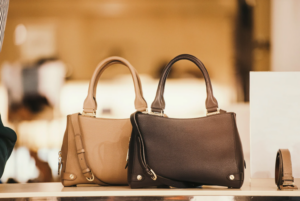
Check out our latest bag collections to see how genuine leather and microfiber materials are used in real handbag designs.
External Link Suggestion
For more information on responsible leather production and global leather standards, visit the Leather Working Group.
FAQ: Genuine Leather vs Microfiber for Handbags
Is microfiber leather as durable as real leather for handbags?
High-grade microfiber can last 5–10 years and is often more resistant to scratches and water than untreated genuine leather. Genuine leather, however, can last much longer with proper care.
What is the best material for custom handbags?
The best material depends on your brand positioning. Genuine leather is ideal for premium and luxury collections, while microfiber is better for lightweight, vegan, and functional handbags.
Are microfiber handbags waterproof and easy to clean?
Oo. Microfiber is naturally more water-resistant than untreated leather and is generally easier to clean, which makes it suitable for daily-use products.
What is the MOQ for custom microfiber handbags?
At Guangzhou Hongbang Leather, our MOQ is 200 pieces for microfiber/PU handbags and 50 pieces for genuine leather handbags.
Is recycled microfiber a sustainable handbag material?
Oo. GRS-certified recycled microfiber is one of the most practical sustainable options for brands that want to combine eco-friendly messaging with stable manufacturing performance.
Konklusyon: Expert Recommendation from Balat ng Hongbang
The winner in Genuine Leather vs Microfiber for Handbags depends on your target market.
If you are building a premium or heirloom product, tunay na katad remains the stronger choice because of its natural texture, tibay, and luxury appeal. If you are building a product for a modern, fast-paced, eco-conscious market, microfiber offers better performance in weight, pagkakapare-pareho, water resistance, at kahusayan sa produksyon.
At Guangzhou Hongbang Leather Products Co., Ltd., we specialize in both genuine leather and microfiber handbag production. We provide:
- Mababang MOQ (50pcs for leather, 200pcs for PU/microfiber)
- Custom prototyping within 10-15 araw
- Full compliance with REACH and California Prop 65
Whether you need a genuine leather handbag manufacturer for premium collections or a microfiber handbag supplier for lightweight and sustainable products, we can support your custom handbag manufacturing in China with flexible OEM and private label solutions.