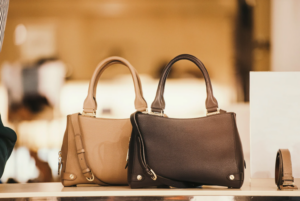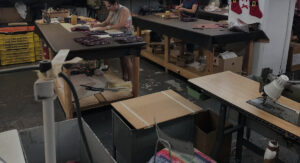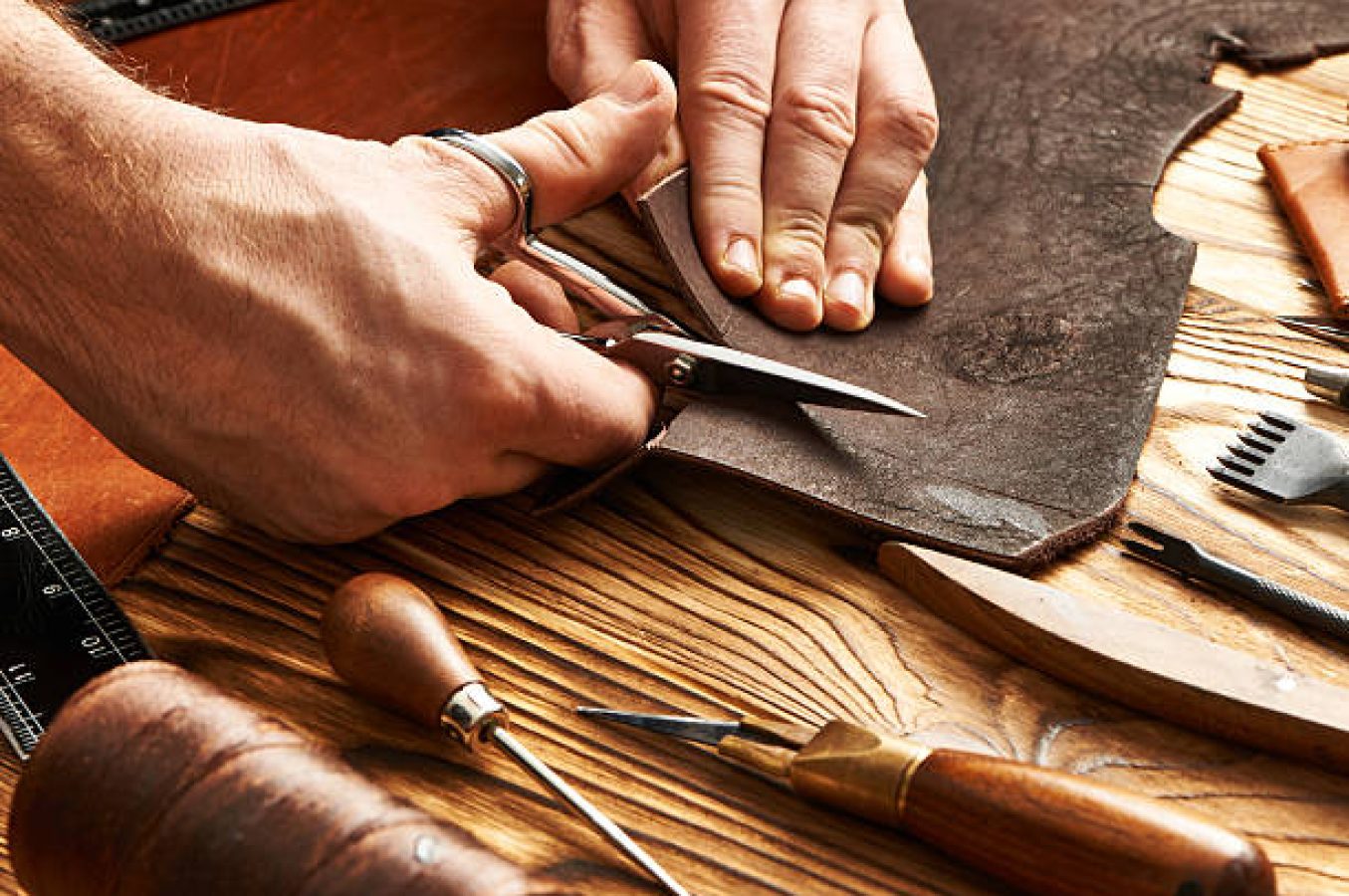
Choosing the right produttore di borse in pelle personalizzate can decide whether your collection launches on time, meets your quality standards, and protects your margins. For brand owners, importers, grossisti, and startup labels, the manufacturer is not just a supplier. It is a long-term production partner that affects design execution, material quality, lead time, and customer satisfaction.
If you are comparing suppliers, the goal is not simply to find the lowest price. The real goal is to find a private label handbag manufacturer O OEM leather bag manufacturer that can match your product positioning, order volume, and quality expectations while supporting stable growth.
This guide explains how to evaluate a manufacturer the right way, what questions to ask before placing an order, and which warning signs to avoid.
Start With Your Brand Requirements First
Before you contact any factory, define exactly what your brand needs. Many buyers start searching for a supplier too early, then waste time talking to factories that are not a fit.
Create a simple sourcing brief that covers:
-
product category, such as tote bags, borse a tracolla, borse a tracolla, zaini, or wallets
-
target price range
-
expected order quantity
-
preferred materials
-
hardware and logo requirements
-
packaging requirements
-
launch timeline
-
target market and quality level
A good produttore di borse in pelle personalizzate will ask about these details early. If a factory gives you a quotation without understanding your materials, construction, branding, or order expectations, that is usually a sign of a weak process.
If you are still refining your product direction, it helps to review your own customized service options and map them against your collection plan.
Understand OEM, ODM, and Private Label Before You Compare Factories
Not every supplier offers the same production model. This matters because your ideal partner depends on how original your product is.
OEM manufacturing
OEM means the factory produces your design based on your specifications, tech pack, materiali, logo, and packaging requirements. This is the best fit if you already have a developed concept and want stronger product differentiation.
ODM manufacturing
ODM means the factory starts from existing styles or factory-developed structures and adjusts them with your branding, colorways, materiali, or small design changes. This is often faster and more cost-efficient for newer brands.
Private label manufacturing
A private label handbag manufacturer usually supports logo placement, packaging customization, selezione del materiale, and style adaptation so you can launch products under your own brand name without building every design from zero.
If you want a clearer view of how this works in practice, your readers can move from this article to your custom leather bag manufacturing process page for a more service-focused explanation.
Look for Category Experience, Not Just General Factory Claims
A supplier may call itself a bag factory, but that does not mean it is equally strong in every product category. A factory that excels at small leather goods may not be the best partner for structured handbags, fashion totes, or premium women’s bags.
Ask what categories the manufacturer produces most often. Then ask for examples that are close to your own product line. A reliable leather bag factory in China should be able to explain:
-
its main product categories
-
the materials it works with most often
-
the type of customers it usually serves
-
the common construction methods it uses
-
the order sizes it handles efficiently
Per esempio, if your brand focuses on premium handbags, it makes sense to review related internal content such as your guide to the best leather bag materials and your article on premium leather bag manufacturing so the buying criteria stay aligned with your actual product segment.
Evaluate Materials and Sourcing Standards Carefully
Material choice shapes the look, durabilità, price, and positioning of the final bag. This is why material conversations should happen early, not after sampling begins.
When assessing a produttore di borse in pelle personalizzate, ask:
-
what grades of leather are available
-
whether full-grain, top-grain, split leather, microfibra, or PU are offered
-
how color consistency is managed across production runs
-
what lining, hardware, zipper, and edge paint options are available
-
whether the factory can recommend materials based on your target price and market
It is also smart to ask how the supplier approaches sourcing standards and material claims. Per esempio, buyers who want stronger supply-chain credibility often review frameworks such as the Leather Working Group standards. If your product descriptions make leather-content claims, they should also stay consistent with reference materials such as the FTC Leather Guides.
A professional factory should be comfortable discussing both product aesthetics and practical sourcing considerations. If the answers stay vague, that usually means the material process is not well controlled.
Check MOQ, Sampling Time, and Bulk Lead Time
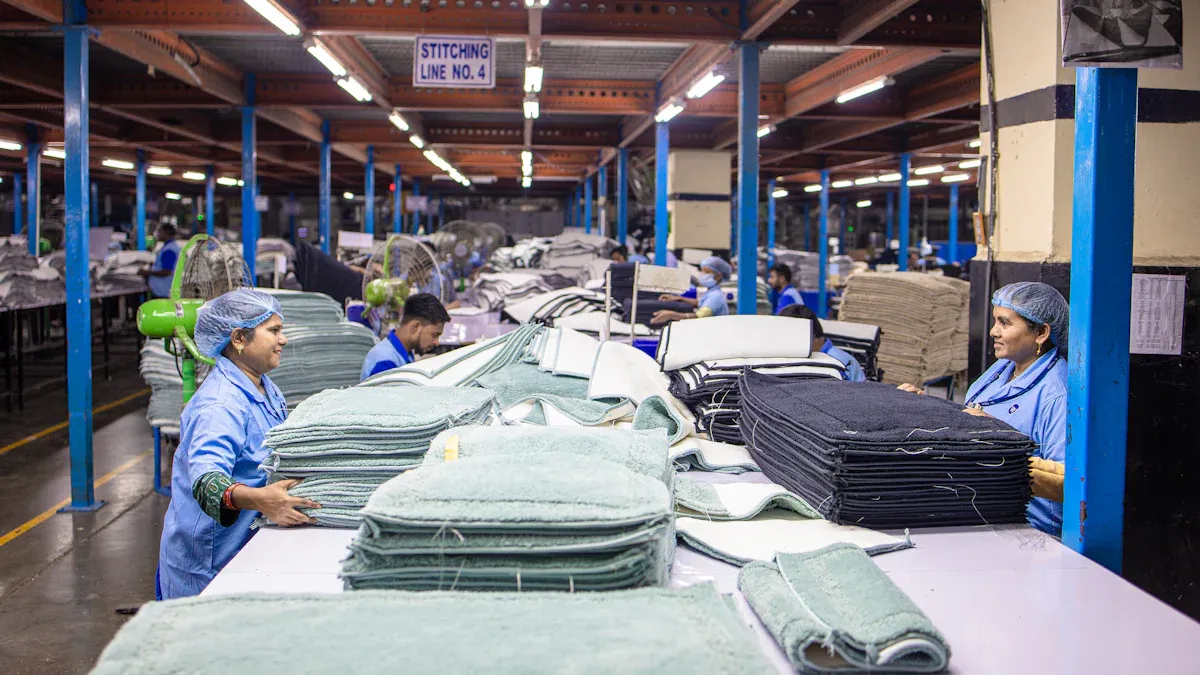
For startups and growing brands, minimum order quantity is often one of the most important factors. A low MOQ leather bag manufacturer may be a better fit than a larger factory that only wants very high-volume orders.
Tuttavia, MOQ should never be evaluated alone. A small MOQ is useful only when the factory can still offer:
-
acceptable material options
-
clean workmanship
-
realistic sample revisions
-
stable bulk delivery
-
transparent pricing
Ask for clear details on:
-
sample cost
-
sampling timeline
-
number of revision rounds
-
MOQ by material or style
-
bulk lead time after sample approval
-
whether lead times change during peak season
This is especially important for a handbag manufacturer for startups. Many new brands fail not because the idea is weak, but because the factory cannot support small-batch development efficiently.
Review Quality Control and Craftsmanship in Detail
A good-looking sample is not enough. You need confidence that bulk production will be consistent.
When reviewing a produttore di borse in pelle personalizzate, check whether the factory has a real quality control process for both sampling and production. Ask how they inspect:
-
leather surface consistency
-
panel cutting accuracy
-
verniciatura dei bordi
-
stitching density and alignment
-
logo placement
-
hardware finish
-
zipper performance
-
lining attachment
-
final packaging
You can also compare your standards against practical buying signals described in your own article on superior leather bag craftsmanship.
A reliable supplier should be able to send detailed factory photos, close-up workmanship images, and sample inspection standards. If possible, ask for a pre-production sample before authorizing the full run.
Assess Communication Speed and Project Management
Many sourcing problems are not caused by technical issues. They are caused by poor communication.
A manufacturer may look competitive on price, but if replies are slow, requirements are misunderstood, or revisions are not tracked properly, the project becomes expensive very quickly.
A strong OEM leather bag manufacturer should communicate clearly about:
-
quotation assumptions
-
material substitutions
-
logo limitations
-
sample adjustments
-
production milestones
-
packing details
-
shipping readiness
Pay attention to the quality of communication during the quoting stage. That is often the best preview of how the supplier will handle real production.
You should also check whether the factory seems proactive. Good partners do not just answer questions. They flag possible risks before they become production problems.
Compare Total Cost, Not Just Unit Price
The cheapest quotation is rarely the cheapest result. A lower unit price can easily turn into a higher total cost if you face delays, remake fees, poor material selection, or high defect rates.
When you compare manufacturers, calculate the full sourcing picture:
-
sample costs
-
mold or hardware development costs
-
packaging costs
-
logo setup costs
-
shipping terms
-
inspection costs
-
remake risk
-
communication efficiency
-
expected reorder stability
If your brand depends on repeat business, consistency matters more than saving a small amount on the first order.
A professional private label handbag manufacturer with low MOQ should be able to explain pricing logic clearly. If the quotation looks unusually cheap but the specifications are unclear, that is often a warning sign.
Ask These Questions Before You Place an Order
Before moving forward with any produttore di borse in pelle personalizzate, ask these questions directly:
-
What product categories do you specialize in most?
-
Do you support OEM, ODM, and private label projects?
-
What is your MOQ for leather handbags?
-
What is your sample lead time?
-
How many sample revisions are included?
-
What quality control steps do you use during production?
-
Can you customize logo, hardware, lining, confezione, and labels?
-
What materials do you recommend for my target market and price point?
-
How do you handle defects or quality disputes?
-
Can you support repeat orders with consistent materials and hardware?
You can also send readers to your FAQ page if they want quick answers on MOQ, lead time, materiali, ispezione, and OEM/ODM terms.
Warning Signs You Should Not Ignore
Some factories look promising at first but show problems early. Be cautious if you see any of these:
-
very fast quotations with almost no technical questions
-
unclear answers about leather type or hardware specification
-
refusal to discuss inspection standards
-
inconsistent sample photos
-
unrealistic lead-time promises
-
pressure to confirm an order before the sample is approved
-
incomplete communication on packaging or branding details
A good leather bag factory in China should make the process clearer, not more confusing.
Final Thoughts
The best produttore di borse in pelle personalizzate is not simply the supplier with the lowest price or the biggest catalog. It is the partner that matches your brand’s product category, target quality, order size, and growth plan.
When you evaluate factories, focus on five essentials: product fit, material capability, controllo di qualità, communication, and realistic production terms. That is how you reduce risk and build a supply chain that supports long-term brand value.
If you are currently comparing suppliers for your next collection, start by reviewing our custom leather bag manufacturing process, explore our customized service, O contact our team to discuss your project requirements.
Domande frequenti
What does a custom leather bag manufacturer do?
A custom leather bag manufacturer develops and produces bags based on a buyer’s design, material choices, branding requirements, and order specifications. Services often include sampling, OEM or ODM production, logo application, packaging customization, and bulk manufacturing.
Is a leather bag factory in China a good option for new brands?
SÌ, a leather bag factory in China can be a strong option for new brands if it offers suitable MOQ, clear communication, stable quality control, and category-specific experience. The key is to evaluate the factory carefully instead of choosing based on price alone.
What is the difference between OEM and private label handbag manufacturing?
OEM production usually follows your original design and specifications, while private label manufacturing often adapts existing structures with your branding, materiali, e imballaggio.
How do I choose a handbag manufacturer for startups?
Look for a handbag manufacturer for startups that offers manageable MOQ, structured sample development, responsive communication, and transparent quality standards.