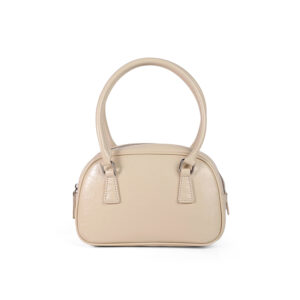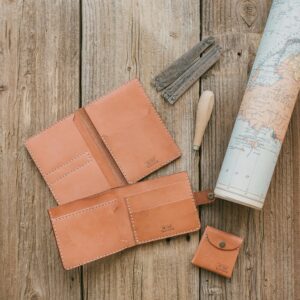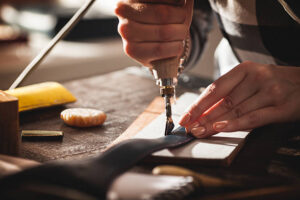
A custom suede handbag manufacturer can help brands create soft, tactile, and premium-feeling bags, but suede requires more careful planning than many smooth leathers. The material has a beautiful nap and rich color depth, yet it can show stains, rubbing, uneven panels, and packing marks more easily.
For private label brands, suede handbags can be powerful in seasonal collections, luxury capsules, bohemian styling, and giftable accessories. This guide explains how to choose suede, control quality, plan MOQ, and reduce production risks.
What makes suede different from smooth leather?
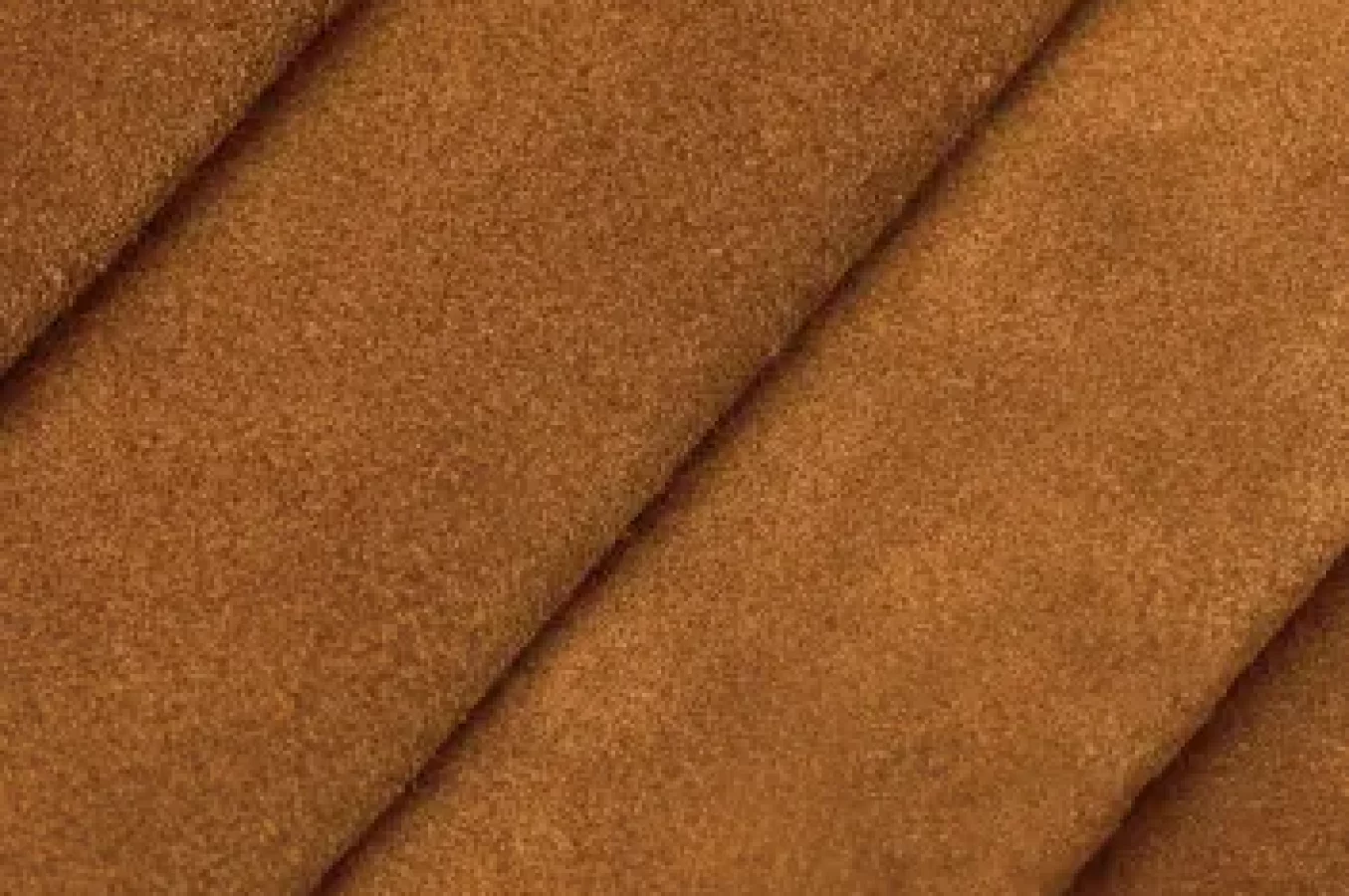
Suede has a soft, brushed surface. It feels warm and refined, but the nap direction affects how color appears under light. Two panels from the same hide can look different if the nap direction is not controlled. This is why cutting and panel matching are especially important for suede handbags.
Compared with smooth leather, suede may need more protection during production and shipping. It can pick up dust, absorb moisture, and show pressure marks. A strong manufacturer should understand these handling requirements.
Best handbag styles for suede
Suede works well for hobo bags, bucket bags, soft totes, crossbody bags, flap bags, fringe details, and seasonal fashion pieces. It is less ideal for products that need heavy rain resistance or frequent rough use unless protective treatment and clear care instructions are included.
A structured suede handbag may need reinforcement behind the suede to keep shape. A soft suede bag should still have enough construction quality so it does not feel weak or unfinished.
Material selection and color control
Ask for suede swatches in the target thickness, color, and finish. Check color under different lighting. Dark suede can look elegant but may show dust. Light suede can feel luxurious but may stain more easily. Earth tones, black, burgundy, olive, and seasonal neutrals often work well for suede collections.
For leather naming and material claims, brands selling in the U.S. can review the FTC leather product guides. If chemical safety or material certification is part of the brand requirement, the OEKO-TEX Leather Standard is a useful reference.
Lining, reinforcement, and edge decisions
Suede handbags often need thoughtful lining because the outer material is soft. Lining can add structure, protect the interior, and improve perceived value. Reinforcement may be used in the base, flap, handle area, or strap anchors.
Edge finishing depends on the design. Some suede bags use folded edges for a clean finish. Others use raw or softly finished edges for a relaxed look. The method should match the brand style and durability expectations.
Logo methods for suede handbags
Logo placement on suede requires care. Debossing may be less sharp than on smooth leather. A metal logo plate, woven label, hangtag, or leather patch can be more reliable depending on the design. Foil stamping may need testing because the suede surface can react differently from smooth leather.
Ask for logo tests before approving the sample. A small test can prevent a full sample from looking unclear or uneven.
MOQ and sampling considerations
MOQ depends on suede availability, color, thickness, lining, hardware, and logo method. Standard colors may allow lower MOQ. Custom-dyed suede generally requires higher MOQ and longer lead time. Because suede color variation is more visible, brands should approve material before cutting.
Sampling should include panel matching, nap direction, shape, stitching, lining, hardware, logo, and packing method. The sample should be checked after being packed and unpacked, because suede may show pressure marks during transit.
Quality control checklist for suede handbags
Inspect color consistency, nap direction, stains, dust, pressure marks, scratches, stitching, edge finish, hardware protection, strap strength, lining cleanliness, and packaging. Suede bags should be packed with protective tissue or dust bags and enough shape support.
Care instructions are also important. Customers should know how to protect suede from moisture and how to store the bag. Clear care information can reduce returns and complaints.
Working with HongBang Leathers
HongBang Leathers supports custom suede handbag manufacturer projects for fashion brands, retailers, and private label collections. We can help select suede, develop samples, test logo methods, plan packaging, and inspect finished products before shipment.
Related HongBang reading: best materials for leather bags and how to choose a custom leather bag manufacturer.
FAQ
Is suede good for everyday handbags?
It can be, but customers need care instructions and the design should avoid situations where the suede is easily stained or rubbed.
Can suede handbags use custom colors?
Yes, but custom-dyed suede usually requires higher MOQ and more time than available colors.
How should suede bags be packed?
Use clean tissue, dust bags, hardware protection, and shape support to reduce pressure marks and dirt during shipping.
Care labels and customer education
Suede handbags need clearer care information than many smooth leather bags. A small care card can explain that suede should be kept away from heavy moisture, stored in a dust bag, and cleaned with suitable suede tools. This helps customers understand the material and reduces avoidable complaints.
For e-commerce brands, product pages should show close-up texture, color under natural light, and a practical care note. Suede can look different across screens, so honest photography and clear copy improve buyer confidence.
How to compare suede samples
Compare suede samples by touch, color depth, nap direction, dust level, backing strength, and how the material responds after gentle bending. Then review the finished handbag sample after packing and unpacking. If the suede shows heavy pressure marks or color unevenness too easily, the material or packing method may need adjustment before bulk production.
Extra FAQ for suede handbag buyers
Should suede handbags use protective spray before sale?
Some brands choose to recommend protective spray after purchase, but the factory should not add treatment without approval because it can change color, hand feel, or odor. Always test on the approved material first.
What is the main risk in suede bulk production?
The main risk is inconsistent panel appearance. Nap direction, color depth, and surface marks must be controlled during cutting, sewing, inspection, and packing.
For best results, keep one approved sample and one material reference on file so every reorder can be checked against the same standard.